AboutThe Author
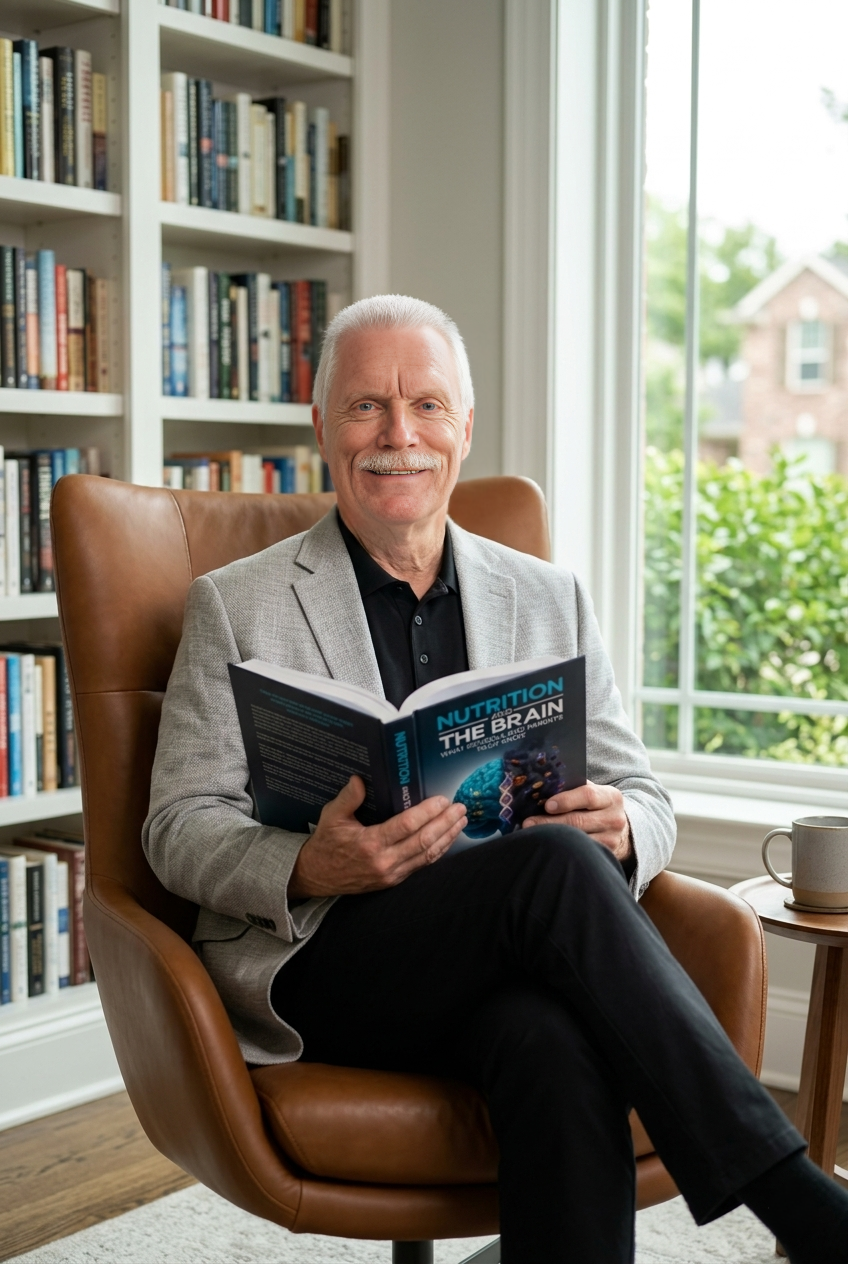
Robert Maker
Robert Maker is the person who has spent over half a century of his life working face-to-face with children in classrooms, gyms, clinics, and schools throughout the United States. His work is not merely a job, but a calling based on the feelings of compassion, observation and undying desire to learn how nutrition affects the mind and the body.
Robert has been involved in a sweeping change in the health and behavior of the youth, whether it be the incidence of childhood disorders, especially autism, ADHD, obesity, food allergies and seizures, which has grown in the contemporary world since the early 1960s when the incidences of such conditions were rare. These developments were not gradual; they were fast evolving and transformed the educational and medical world. Over decades of his personal experience, Robert was able to make one extreme conclusion: the food that children eat is a determining factor in their neurological wellbeing, emotional control, and potential to learn.
In contrast to much of the literature in the field, the thoughts of Robert are not limited to laboratory statistics or abstract theories. The real-life changes he bases his conclusions on are schools that changed their state of anarchy to one of sanity, children who had been labeled as problematic, but who blossomed as the food they ate changed, and families who found that food might be the key missing link that would unlock the potential in their child.